
In the aftermath of tragedies involving severe mental illness, familiar questions arise: Why didn’t people do more? Couldn’t this have been prevented? These questions come from fear, grief, and a powerful need to believe that catastrophic violence is preventable if only the right people act decisively enough.
I write this as a clinical social worker with more than thirty-five years of experience working with severe mental illness and someone who has asked these same questions. Like many others, I was shaken by the deaths of Rob and Michele Reiner. I grew up watching Rob Reiner on All in the Family and later seeing his films—The Princess Bride remains one of my favorites. His work was part of the cultural fabric of my life. Losing him felt unexpectedly personal, not just as a clinician, but as a human being. That sense of shock and familiarity may help explain why so many people are urgently asking how this could have happened. I have also worked with many parents of struggling adult children who feel terribly helpless and guilty for not being able to do more.
But the questions being asked also reveal a profound misunderstanding of how mental health care, civil rights, and the law actually function in the United States today. The system many people imagine—one in which families can compel treatment or place an adult child into long-term psychiatric care—largely no longer exists.
Once an individual turns 18, they are legally an adult. Parents do not retain authority to mandate treatment, confinement, or supervision, no matter how impaired, distressed, or deteriorated that adult may appear. The legal threshold for involuntary psychiatric commitment is deliberately high and narrowly defined. In most jurisdictions, it requires evidence of imminent danger to self or others—not chronic instability, paranoia, psychosis, addiction, or years of frightening behavior.
To be blunt: someone generally must state, clearly and credibly, that they intend to kill themselves or someone else.
This leaves many families trapped in an agonizing position—watching a loved one unravel while being told, again and again, that the legal standard for intervention has not yet been met. It can also leave families quietly terrified of their own family member, with little recourse for protection.
When a family has substantial financial resources, as the Reiners did, the public often assumes they have access to options others do not. In reality, money does not override civil liberties.
Even unlimited funding does not allow parents to force medication compliance, long-term hospitalization, residential placement, or ongoing supervision without consent. Private psychiatric hospitals typically offer only short-term stabilization, not long-term containment. Once discharged, patients are entirely within their rights to stop medication, skip follow-up care, or disengage from the mental health system altogether.
The only theoretical alternative—round-the-clock residential supervision with private staffing—requires the adult’s voluntary participation. Among those suffering from severe mental illness and addiction, that participation is often inconsistent or fleeting at best.
The psychiatric institutions many people imagine were largely dismantled during deinstitutionalization in the 1980s, without adequate replacements. What remains is a fragmented system: few long-term beds, overcrowded state hospitals, facilities unwilling to accept individuals deemed high-risk, and intense pressure for rapid discharge. Even families actively seeking placement are often told there is simply nowhere to send someone.
Privacy laws further compound the problem. Once a child becomes an adult, clinicians cannot share information with parents without written legal consent—even when parents are providing housing, financial support, and daily care. Families can raise concerns, but they may receive no guidance or feedback in return.
From the outside, this can look like denial or passivity. In reality, it is exclusion.
The uncomfortable truth is that the U.S. mental health system is largely reactive rather than preventive. Meaningful intervention typically occurs only after a crime is committed, a serious and credible threat is made, or someone is briefly hospitalized under emergency conditions. Families are then blamed for not acting sooner, even though the system itself forbids early, sustained intervention.
Blame offers psychological comfort. It preserves the belief that tragedy is avoidable if someone, somewhere, simply tried harder. It is also a natural part of grief—the endless, tormenting “If only…” But the reality is far more unsettling: severe mental illness and addiction frequently outstrip love, money, vigilance, and effort.
Instead of asking why families did not do more, a more honest question is this:
Why do families have to wait for imminent danger before help is legally allowed?
Until that question is answered—through policy reform, funding, and a serious reinvention of long-term care—these tragedies will continue. And grieving families will continue to shoulder blame for failures that are not personal, but structural.
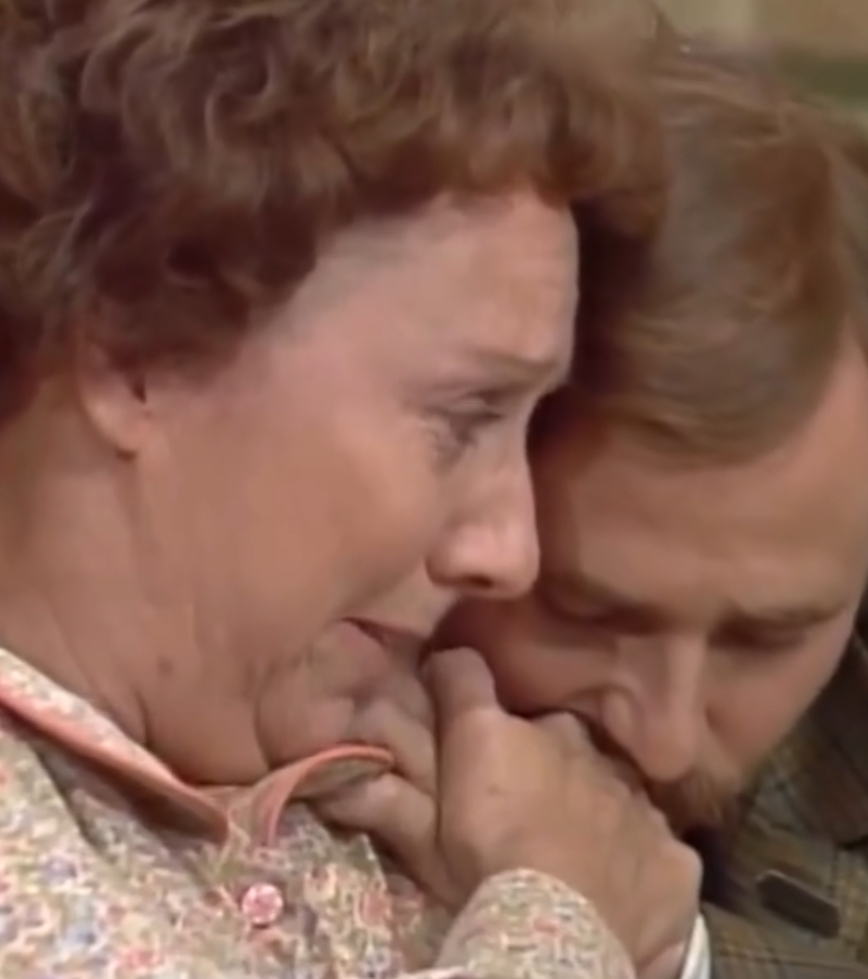
During a Christmas episode of All In The Family, Edith, played by Jean Stapleton, is grieving the killing of a gay friend. “I just don’t understand,” she says. Mike, played by Rob Reiner says, “Maybe we’re not supposed to understand everything all at once. Maybe we’re just supposed to understand things a little bit at a time.”
So let’s all resist the urge to rush to judgement. There’s often far more to understand than blame will ever allow.
 Kvetchin With Gretchen