
Fuck Pretty

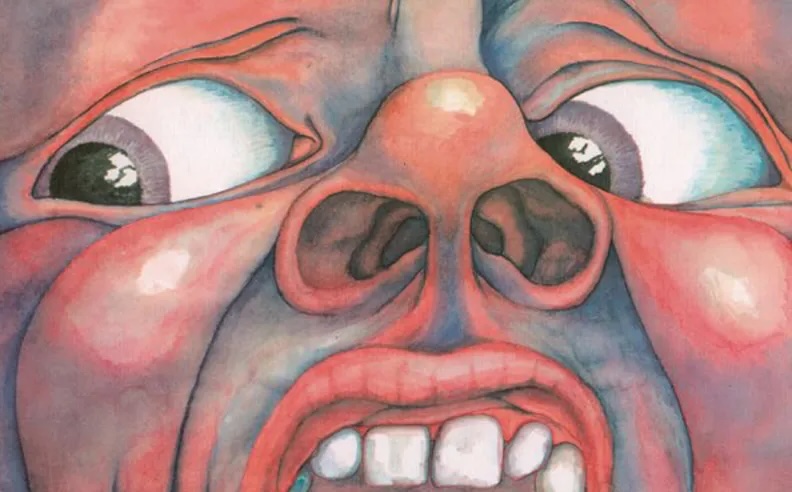
The most spectacular insult I ever received in my life was “your nostrils are so big that when you tip your head back, the room goes dark.” I had to give the guy props for inventiveness.

Until I was a senior in high school, I rarely thought about how I looked, despite abundant evidence that I was not widely perceived as pretty. No one ever told me I was pretty. I even remember a guy saying “God, you’re ugly” when I smiled at him in class. But I had boyfriends and was even cast as a romantic lead in a play as opposed to third gargoyle on the left. I guess I thought I looked just fine. I was told I was intellectually gifted and creatively talented and that always seemed to be enough.

So what changed? I came home after a play in which I had the lead role of a governess. I wore a beautiful blue costume, a lovely updo, and a full face of makeup. My mother took a long look at me and said, “You look kind of pretty with a little makeup on.”

I no longer blame my mother, even though it was an objectively shitty thing to say. She probably had never been told she was pretty, and she didn’t think she was, which always floored me. My mother was BEAUTIFUL. What bothered me most was not learning that my own mother didn’t think I was pretty. It was realizing that pretty mattered—and that I apparently did not possess what mattered.

After that it mattered a whole lot. Makeup became a permanent fixture on my face. My conviction in my own plainness was compounded when a man with whom I had an unfortunate liaison, seeing me bare-faced fresh out of the shower, said, “Is this what you really look like?”

I never saw him again. I don’t remember if he dumped me for my beauty deficits or I dumped him for his character deficits.

What strikes me still is how fast it happened—one sentence from my mother, and seventeen years of not caring evaporated. Not a slow erosion. A single crowbar to the gut. And then another from some random man.

As a therapist, I have sat with hundreds of women carrying the same wound. I don’t remember the first moment I recognized myself in a client, but there is a real challenge in treating something you haven’t fully resolved in yourself. They routinely describe their faces and bodies with a level of contempt not even directed at their worst enemies. Weight is by far the most common obsession, although aging runs a close second. Then come the inventories: jawlines, eyelids, necks, stomachs, wrinkles, upper arms, breasts migrating southward like retirees to Florida.

Nostril size seems not to be a major problem.

I remember having a conversation with my former graduate school advisor, who taught a brilliant women’s studies class. She said she saw nothing wrong with women adorning themselves—with makeup, hair dye, clothing, and jewelry. But if adornment becomes the only bridge to worthiness, it turns dark.

That adviser, whom I adored, never wore a lick of makeup.

When a woman decides, like Pamela Anderson, to go facially commando, it is a real risk. I admire the bravery, although if I looked like PA, I might feel more emboldened. I know that my discomfort in my own unvarnished face is ultimately my issue, but I also know that I share this issue with many others. Women are often praised for courage when they stop trying to meet the very standards they were punished for failing in the first place.

Catch-22, anyone?

Makeup, Botox, fillers, even surgery: it’s hard to walk away from things the world keeps rewarding. It’s scary to give up the shield. Just as everyone else has become accustomed to our faces with all the bells and whistles, so have we.

Like my former adviser, I am not saying we shouldn’t enjoy dolling ourselves up now and again. But I do bemoan how deeply it has been internalized and normalized as an entry fee for visibility, approval, and desirability.

We live in an attention-addicted society. Likes, loves, comments, and views on social media all provide squirts of dopamine. Being told you are pretty, beautiful, or that “you don’t look your age” is street-drug level validation. Fading into wallflower oblivion can feel like a fate worse than death in a culture that treats visibility as proof of worth.

I doubt I’ll ever be completely cured of wanting to be thought attractive. If someone tells me I look good, I still enjoy hearing it. If someone tells me I don’t look my age, I won’t actually file a complaint. But the older I get, the less interested I am in spending my finite time brokering a truce with my mirror.

Because when we stop caring if anyone notices our prettiness, we can stop caring if they notice our lack thereof.

You can even make peace with your room-darkening nostrils. And that’s nothing to sniff at.

OH M GEE, I’M Seventy


As a young thing of 63, I wrote a top ten list of things I’d learned by that point.

But here I am standing just outside door 70, about to step into a whole new world. Turns out you CAN teach an old dog new tricks!

10)  Tweak your bucket list. Most people never do half that shit anyway and then feel bad about it. Aim for smaller moments of joy and satisfaction. If you haven’t skydived or hiked to Machu Picchu by 70, maybe find stuff to do that won’t put you in traction.

9)  “When you’re 20, you worry what everyone thinks, when you’re 40, you stop caring what everyone thinks, when you’re 60, you realize no one was even thinking about you.” I’d like to add “when you’re 70, you’re invisible, so do whatever TF you want.”

8)  It helps enormously to stop believing everything must change before you can be happy. Especially since we’re all living in a dystopian hellscape with great streaming services.

7)  Define yourself by what you love and not what you leave. Unless you cure cancer, of course. Then absolutely feel free to mention the hell out of it at cocktail parties.

6)  Looking young is nice, but actually being young is torture. I’ll swap the rollercoaster for the wrinkles any day.

5) People ask me if you ever get over grief. No, you don’t. It just becomes something you learn to live with, like the couch your cat scratched the hell out of.

4)  Erik Erikson said our final developmental stage is Generativity vs. Stagnation. Cooking, gardening, protesting or just fucking around and having fun (I’m very good at that one)—it all counts as generativity. Focus on what you CAN do instead of what you CAN’T because otherwise you’ll spend your remaining years rage-scrolling and ordering useless crap from Temu.

3)  I’ve learned that not only can’t I change others, but believing I could was borderline delusional. If you want to pay me professionally, I’ll gladly join Team Change, but you’ll be doing the heavy lifting. I’m exhausted.

2)  I’ve learned to cultivate the most important relationship I’ve ever had: the one with myself. I don’t fear loneliness, because I’m damned good company. And if I’m longing for companionship, I can usually coerce someone to hang out with me.

1)  Learning to roll with the punches may be the single most valuable lesson of my life. I used to get butt-hurt about absolutely EVERYTHING, and yes, I sometimes still do, but I recover much faster now. Life’s too short. Work it out or walk away. Most people are more clueless than malicious.

If aging has taught me anything thus far, it’s that life is far less controllable than I imagined and far more survivable than I feared. I’ve lost people, versions of myself, illusions, certainty, collagen, and more reading glasses than I can count.

But I’ve gained perspective, self-forgiveness, resilience, and the ability to laugh at almost everything. Eventually. I finally know that joy matters more than achievement, liking myself matters more than being liked, and a good sense of humor is like having a spare immune system.

In the age of social media, the hardest thing for many of us is to inhabit our lives instead of performing them. At 70, I finally understand that a good life is less about becoming someone and more about learning to enjoy being the person I already am.

Mostly, I know how lucky I am to still be here—wrinkled, opinionated, inappropriate, and deeply grateful.

The Parent Trap

In the aftermath of tragedies involving severe mental illness, familiar questions arise: Why didn’t people do more? Couldn’t this have been prevented? These questions come from fear, grief, and a powerful need to believe that catastrophic violence is preventable if only the right people act decisively enough.

I write this as a clinical social worker with more than thirty-five years of experience working with severe mental illness and someone who has asked these same questions. Like many others, I was shaken by the deaths of Rob and Michele Reiner. I grew up watching Rob Reiner on All in the Family and later seeing his films—The Princess Bride remains one of my favorites. His work was part of the cultural fabric of my life. Losing him felt unexpectedly personal, not just as a clinician, but as a human being. That sense of shock and familiarity may help explain why so many people are urgently asking how this could have happened. I have also worked with many parents of struggling adult children who feel terribly helpless and guilty for not being able to do more.

But the questions being asked also reveal a profound misunderstanding of how mental health care, civil rights, and the law actually function in the United States today. The system many people imagine—one in which families can compel treatment or place an adult child into long-term psychiatric care—largely no longer exists.

Once an individual turns 18, they are legally an adult. Parents do not retain authority to mandate treatment, confinement, or supervision, no matter how impaired, distressed, or deteriorated that adult may appear. The legal threshold for involuntary psychiatric commitment is deliberately high and narrowly defined. In most jurisdictions, it requires evidence of imminent danger to self or others—not chronic instability, paranoia, psychosis, addiction, or years of frightening behavior.

To be blunt: someone generally must state, clearly and credibly, that they intend to kill themselves or someone else.

This leaves many families trapped in an agonizing position—watching a loved one unravel while being told, again and again, that the legal standard for intervention has not yet been met. It can also leave families quietly terrified of their own family member, with little recourse for protection.

When a family has substantial financial resources, as the Reiners did, the public often assumes they have access to options others do not. In reality, money does not override civil liberties.

Even unlimited funding does not allow parents to force medication compliance, long-term hospitalization, residential placement, or ongoing supervision without consent. Private psychiatric hospitals typically offer only short-term stabilization, not long-term containment. Once discharged, patients are entirely within their rights to stop medication, skip follow-up care, or disengage from the mental health system altogether.

The only theoretical alternative—round-the-clock residential supervision with private staffing—requires the adult’s voluntary participation. Among those suffering from severe mental illness and addiction, that participation is often inconsistent or fleeting at best.

The psychiatric institutions many people imagine were largely dismantled during deinstitutionalization in the 1980s, without adequate replacements. What remains is a fragmented system: few long-term beds, overcrowded state hospitals, facilities unwilling to accept individuals deemed high-risk, and intense pressure for rapid discharge. Even families actively seeking placement are often told there is simply nowhere to send someone.

Privacy laws further compound the problem. Once a child becomes an adult, clinicians cannot share information with parents without written legal consent—even when parents are providing housing, financial support, and daily care. Families can raise concerns, but they may receive no guidance or feedback in return.

From the outside, this can look like denial or passivity. In reality, it is exclusion.

The uncomfortable truth is that the U.S. mental health system is largely reactive rather than preventive. Meaningful intervention typically occurs only after a crime is committed, a serious and credible threat is made, or someone is briefly hospitalized under emergency conditions. Families are then blamed for not acting sooner, even though the system itself forbids early, sustained intervention.

Blame offers psychological comfort. It preserves the belief that tragedy is avoidable if someone, somewhere, simply tried harder. It is also a natural part of grief—the endless, tormenting “If only…” But the reality is far more unsettling: severe mental illness and addiction frequently outstrip love, money, vigilance, and effort.

Instead of asking why families did not do more, a more honest question is this:

Why do families have to wait for imminent danger before help is legally allowed?

Until that question is answered—through policy reform, funding, and a serious reinvention of long-term care—these tragedies will continue. And grieving families will continue to shoulder blame for failures that are not personal, but structural.

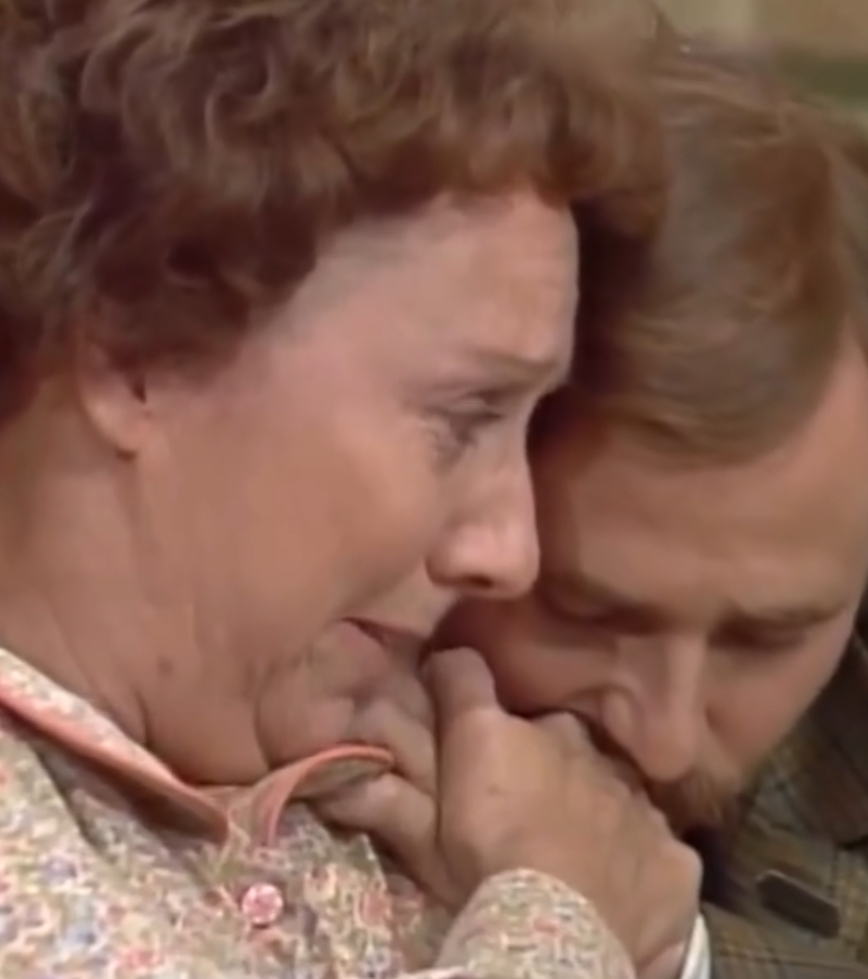
During a Christmas episode of All In The Family, Edith, played by Jean Stapleton, is grieving the killing of a gay friend. “I just don’t understand,” she says. Mike, played by Rob Reiner says, “Maybe we’re not supposed to understand everything all at once. Maybe we’re just supposed to understand things a little bit at a time.”

So let’s all resist the urge to rush to judgement. There’s often far more to understand than blame will ever allow.

Confessions of An Armchair Assassin

Donald Trump vanished from public view for about four days recently, and speculation swirled that maybe—just maybe—he had finally croaked. Social media lit up with thoughts and prayers: Please let it be true. Which raises the uncomfortable but obvious question: what’s so wrong with wishing a man dead?

When I was a little girl, I sometimes screeched that I hated one of my siblings. My Methodist mother, clutching her pearls, would immediately scold: “WE DO NOT HATE.” Which left me agonizing, because clearly I did hate. What in hell was I supposed to do with it? If hatred was off the table, then I must’ve been a terrible little person for feeling it. Meanwhile, church drilled into me every Sunday that I had to love my neighbor, which apparently extended to the annoying kids who occupied the other bedrooms down the hall.

Grown-up me has been lectured in much the same way for wishing that Donald Trump would shuffle off this mortal coil. But unlike my childhood self, I no longer feel guilt. None. Zero. Less than zero. If hating him is wrong, I don’t wanna be right.

Here’s the thing: hate is just an emotion. Like joy, fear, or sadness. It doesn’t make you evil—it makes you human. You don’t get to control whether it shows up—you just decide what to do with it. For example, I love brussels sprouts (especially roasted with olive oil and a touch of maple syrup—yum), but you may hate brussels sprouts. Does your hatred change the intrinsic value of the vegetable? Nope. But I promise not to serve them if you come over for dinner.

Unless I hate you.

Now, if you march into the grocery store and spit all over the brussels sprouts, I’ll still defend your right to hate them, but I’ll also point out that your actions are disgusting, and you’ll be paying for all those sprouts. Hate the sprouts all you want, but don’t act like an asshole in the produce section.

Maybe you wish that all brussels sprouts would just die on the vine. Fair enough, but you simply don’t have the power to make that happen. And honestly, if collective hatred had the power to kill, Donald Trump would have been pushing daisies before he came down that tacky golden escalator ten years ago. There’s no shortage of psychic bullets aimed his way. The fact that he’s still lumbering around like a rotting T-rex would be proof enough that thoughts and prayers don’t actually work.

So really, what harm is there in chilling a bottle of champagne and warming ourselves with thoughts and prayers?

I acknowledge there are always a few unhinged individuals who act on their hatred. That is deeply wrong. But let’s be honest—if America didn’t treat guns like Happy Meal toys, we wouldn’t have to live in terror of every angry loner with a grudge. But I digress. Most of us are harmless armchair assassins killing nothing more than time—or the occasional fly.

And frankly, flies are far less diseased and dangerous than the so-called leader of the free world.

Here’s another truth: even people who say they want to die don’t usually want death itself. They want the pain to stop. They want relief and they see no other way except to die. That’s exactly what most of us want from Trump. Not necessarily that he depart in a coffin, just that he depart. Send him to Ivanka and Jared’s private island where, like them, he will fade into oblivion. I’d toast to that.

The problem is the man refuses to go away. Instead he doubles down. He is hatred weaponized, a malignant narcissist with cankles. Wreaking havoc on everything, everywhere, all at once. And the idea that we should feel guilty for hating him? Spare me.

He’ll never give up the throne. Which leaves death as the only option. That doesn’t make us barbarians—it makes us pragmatists.

We just want to stop the suffering—for ourselves, and for all the people on the receiving end of his bottomless, irrational hatred. Unlike the rest of us, Trump doesn’t just feel hatred—he lives it. The entire point of his comeback tour is to annihilate anyone who refuses to snorkel his massive behind and anything that triggers his Biden/Obama derangement syndrome.

So yes, I pray for Donald Trump. I pray that he disappears, poof!–like a miracle. I pray that his grip loosens, that he becomes irrelevant. Alive or unalive. And if my mother were still here, I highly suspect—just this once—and with no clutching of pearls—she’d raise a glass with me.

It’s The Lying, Stupid

What do political gaslighting and personal trauma have in common?

Oh, just about… everything.

In this piece, I connect the dots between chronic lying—by abusers and authoritarian leaders alike—and how those lies rip open old wounds for trauma survivors. 

Recently, a known Trump disciple tried to troll me on Facebook after I commented “Luv our Guv” on a post about Illinois Governor J.B. Pritzker. He responded: “Why?”

So I trolled right back: “Because he’s HOT.”

His only reply: “OMG”—and then? Nothing. No follow-up. No witty comeback. Just a mental blue screen. Total system crash. Because here’s the thing: using facts to argue with a MAGA diehard is like playing chess with a pigeon. It knocks over the pieces, shits on the board, and flies away screaming about Hunter Biden’s laptop.

I work with trauma survivors—people with deep histories of sexual abuse, emotional and physical violence, and catastrophic loss. I’m a survivor myself, which is why I became a therapist. (Not for the wads of cash or the yacht parties—believe me.)

And I’m telling you: today’s political climate is not just chaotic. It’s profoundly triggering for the traumatized among us.

Why? Because of the LIES. The endless, aggressive, easily disprovable, crazy-making lies. A firehose of fabrication, turned on full blast and aimed straight at our sanity.

Trump doesn’t just lie—he diarrheas dishonesty. And his party lines up to wipe his ass and label the steaming, stinking pile of crap “Patriotism!” It’s not just infuriating. It’s re-traumatizing.

In trauma recovery, we have a word for people like that: enablers. The flying monkeys who do the dirty work for the Wicked Witch. The ones who look you in the eye and say: “That never happened.”

Here’s the deeper cut: when someone survives trauma—say, a child who’s molested by a relative—the event itself is devastating. But what truly shatters the soul is what comes after. The silence. The denial. The gaslighting from the very adults who were supposed to protect them. The, “You’re making that up.”

Research shows that survivors who are believed, supported, and protected fare much better over time. And those rare few whose abusers actually take responsibility tend to heal even more fully. But most survivors don’t get that. Not even close.

So when Trump and his enablers lie—relentlessly, shamelessly—it doesn’t just press our buttons. It echoes those original betrayals. And our nervous systems light up like slot machines: hearts racing, chests tightening, palms sweating. Panic. Rage. Numbness. The full trauma jackpot.

So what do we do with all that?

We heal anyway.

There’s no magic button. No neat apology arc. We build the closure we never got. I often tell my clients: If you’ve been hit by a truck, it doesn’t matter whether the driver apologizes or gets away scot-free. You still need surgery. You still have to learn to walk again. And no one else can do that work for you.

We have to stop waiting for the people who hurt us to say, “I’m sorry.” Because most of them are too busy blaming us for being under the truck they ran us over with.

It’s tempting to believe that Trump supporters are just misinformed, hypnotized, trapped in a cult. That someday they’ll snap out of it and finally validate our reality. Just like trauma survivors often cling to the hope that their abusers will one day acknowledge the facts.

The bitter truth is that they know exactly who he is. And they like him that way. For all intents and purposes, they are him. “Woke” is the enemy. Owning the Libs is the mission. The cruelty isn’t a bug—it’s the whole damn app.

Maybe a few will change their tune when they lose their jobs or healthcare. When the shelves go bare or the bills pile up or a loved one is sent to a detention camp patrolled by alligators. But admit they were wrong? Acknowledge the harm they’ve done? Validate your reality?

Puh-lease. Abusers and their enablers rarely do. Many are narcissists and sociopaths, people who literally lack the wiring for empathy or accountability.

And yes, it fucking sucks. But letting them live rent-free in your head sucks much harder.

You already know they’re lying. That’s enough. You don’t need their confession to begin your healing. So stop spinning your wheels trying to make sense of their bullshit.

Just like in trauma recovery, dealing with these triggers requires tools. One process I teach my clients is: Don’t Engage. De-escalate. Distract.

Don’t Engage

Don’t engage with trolls. Don’t argue with people who aren’t operating in good faith. Don’t spike your already-overstimulated nervous system. Hide or block them and walk away.

De-escalate

Breathe. I like 7-8-9 breathing. Inhale through your nose for 7 counts. Hold it for 8, and exhale slowly through your mouth for 9. This activates your vagus nerve, helps calm your system, and brings you back to the present.

Distract

Yes, really. Distraction—simple, elegant, and often the best way to deal with just about anything. Go for a hike or do some kickboxing. Rearrange your furniture. Make a soufflé. Watch old comedy clips. Be with people who help you laugh at the absurdity—and hold space for the pain. It’s not avoidance—it’s medicine.

You can absolutely fight the gaslight when you have the bandwidth. But choose action over obsession—protest, write letters and postcards, phone bank, give money to worthy organizations—because doom-scrolling has never helped anyone heal.

And healing is the goal.

And when you’re tired, rest. Sit back and let someone else take the wheel. That’s not quitting—that’s strategy. That’s wisdom.

These are your tools. This is your power. This is how we take our lives back.

Maybe how we take our democracy back.

And that’s no lie.

Don’t Be A Pussy


Lately, I’ve had an “unknown” gnawing on my brain like a pack of raccoons in a KFC dumpster. No answers, no closure, just an endless loop of what ifs and maybe thens driving me batshit. And because I have the self-preservation instincts of a feral cat, I know that any attempt to actually get an answer would be at best dumb and, at worst, an unhinged act of self-sabotage.

So my only option? Get this fucking nonsense out of my head.

If my brain is powerful enough to keep me stuck in a death-spiral of existential doom, surely it’s powerful enough to drag me out of it, right? At least that’s my theory. But I know one thing for sure: chasing answers, seeking reassurance, and mentally running in circles does not work. It’s like trying to put out a fire by throwing gasoline at it while screaming, “Why is this happening to me?”

The best use of my brain is, actually, not to think about the problem at all.

Make no mistake~~obsessive thinking is a universal human affliction. We all get stuck on things we can’t control. If we had answers, we’d stop obsessing~~but life doesn’t always spit those out like a Pez dispenser. Some people have actual neurological conditions like OCD and I’m not here to suggest they can fix it with a good attitude. Their brains are pre-programmed for obsession and they likely need medical help to overcome their painful circular thinking. It’s a whole different thing.

For the rest of us? We need to train our brains like we train our bodies. For example, people tell me they “can’t meditate” because they tried it once and it didn’t work. Jesus Christ, that’s like saying you tried running a marathon once and collapsed after a couple of blocks, so clearly you are genetically incapable of running. Meditation is called a practice for a reason. It’s supposed to be soul-suckingly difficult.

Think about Olympic athletes. They wake up at stupid o’clock every day, give up normal human joys like eating pizza and bingeing crap on Netflix, training like lunatics to win a shiny medal. That level of discipline is why they stand on podiums in front of cheering crowds, and we stand in our kitchens at 2 a.m. eating shredded cheese out of a bag.

So if you’ve allowed your brain to run amok for years, just as if you’ve let your body go to hell~~having done not one single sit-up since the Carter administration~~then you have to actually put in the mental reps. And it’s going to be waaaaaay uncomfortable. And it won’t work the first, fifteenth or eleventy-billionth time. But if you keep going, one day, miraculously….it will.

So how do you do this?

Step One: Get Comfortable With Being Uncomfortable.

Because it’s going to suck big ones. You’re not allowed to do your usual obsessive rituals~~blabbing nonstop about the problem, bugging the shit out of your friends, family, hairdresser, and strangers on the train~~or harassing Chat GPT for psychic-level insight. You need to actually sit there in your discomfort, doing absolutely nothing. And yeah, people WILL start to avoid you if you keep cornering them with your crazy, which only gives you something else to obsess over.

Step Two: Rewire Your Brain.

At first, your old obsessive thought patterns will dominate, like a record with a deep groove the needle keeps falling into. But the more you refuse to engage, the more that groove flattens out and disintegrates. Do not rant to your therapist about it. Do not read self-help articles that confirm what you already know. Do not frantically consult Doctor Google. Stay off Chat GPT. You will be wasting your time and misusing your marvelous brain.

And yes, you will go through withdrawal. You will sweat and panic. You will crave an answer the way a junkie craves a hit. You will be ready to trade your soul for a single scrap of certainty. But. Do. Not. Reach. For. That. Needle. At least give it the old college try.

Step Three: Distract Yourself Like Your Life Depends On It.

Do literally anything else. Alphabetize your spices. Take a walk. Call a friend and DO NOT talk about your problem. Clean your house. Paint your bathroom. Offer to paint someone else’s bathroom. Take up archery. Volunteer somewhere.

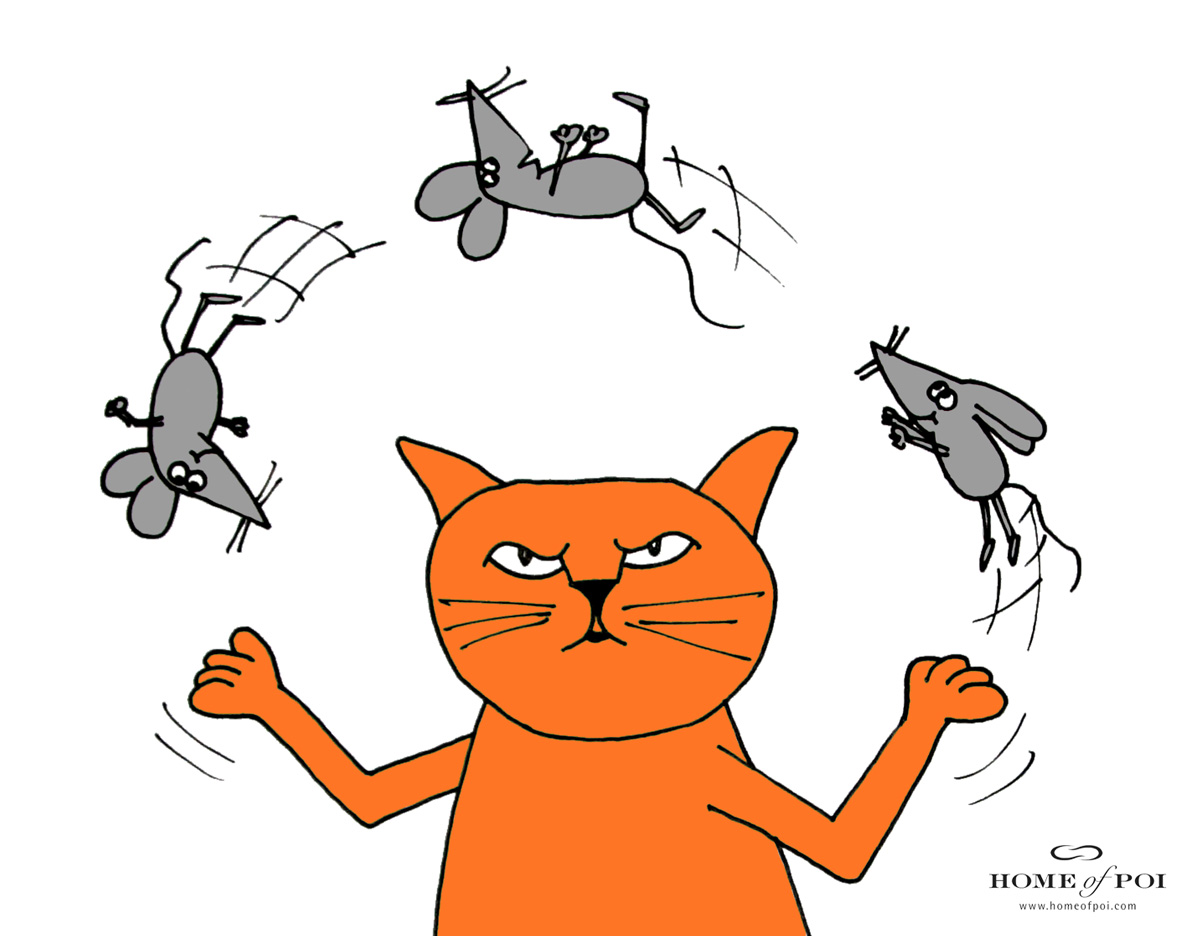
Learn how to juggle.

It will feel like jumping off a cliff~~so don’t overthink it. In fact, don’t think about it at all. Just do it.

You will fail multiple times. You will reach for that needle again and again, but the relief you feel will last a shorter and shorter amount of time.

Step Four: Rinse and Repeat Until You Are Free.

Even telling yourself it’s going to be okay won’t work until you’ve put in the mental gym hours. This isn’t about convincing yourself~~it’s about retraining your brain.

I often tell myself, “don’t be a pussy.” It’s not exactly conventional therapist advice, but it works for me. It reminds me that I have reserves of strength I can tap into at any time. Feel free to try it. Or come up with your own motivational insult.

And just to be clear, this isn’t about ignoring real-world issues. If you’re obsessing about actual problems~~like say, Democracy being on fire, or a Russian asset in the White House~~you should hit the problem directly. Call your representatives, donate, march, vote. As Michelle Obama said to the DNC, DO SOMETHING.

But when it comes to pointless, unanswerable, brain-eating obsessions? Starve them. Train your mind like an athlete. Build your mental muscles. Will it completely and utterly blow chunks? Yes. Will it be worth it? Also yes. What’s better than finally shutting the hell up inside your own head?

And hey, you might finally learn how to juggle.

Shame on You!

Recently, I shared a Facebook post by a well-known pastor, John Pavlovitz, commenting on an X post by Donald Trump. The post concerned an Episcopalian bishop, Mariann Budde, who had, during an inaugural prayer service, implored the incoming administration to show mercy toward immigrants and the LGBTQ+ community. Predictably, Trump dismissed the bishop as “nasty” and “not very smart.” The pastor argued that any self-professed Christian who voted for Trump should feel ashamed. I agreed.

Someone commented by saying that shaming others isn’t the way to win hearts and minds. Fair point, but hear me out.

Shame, as defined by Merriam-Webster, is a painful feeling resulting from doing something wrong or improper. It can also refer to a healthy moral compass—the ability to recognize when one’s actions are harmful. Many of us grew up hearing “Shame on you!” from our mothers when we disobeyed or were mean or thoughtless. That kind of correction, though painful, helped shape our sense of right and wrong. However, shame can also be weaponized in toxic ways, leaving scars. Abuse victims, for example, often internalize unjustified shame, and I work hard to help people heal from that.

But appropriate shame—the kind that stems from genuine wrongdoing—is not inherently harmful. It’s what keeps us accountable. A lack of shame entirely is what creates sociopaths and psychopaths: people who know they’re doing wrong but simply don’t care. Narcissists, on the other hand, do feel shame, but they repress it so deeply that it manifests as rage and projection.

Narcissists are not born. They are shaped by their environment. They may have been excessively shamed or placed on a pedestal, receiving praise disconnected from reality. Either way, they grew up without learning empathy or humility. For them, shame is a third rail. They can’t tolerate it for even a moment, so they offload it by shaming others.

This brings me back to Trump. I don’t believe he felt a moment of shame when the bishop pleaded for mercy—because I truly think he’s a sociopath as well as a narcissist. But he is thin-skinned enough that he lashed out, as narcissists do, to make himself feel bigger by diminishing someone else.

As for whether shame motivates better behavior, I believe it can. Feeling shame is crucial to mental health and moral growth. It’s just another emotion, neither good nor bad in itself. What matters is how we process it. If someone shames us unfairly—over our appearance, our art, or something beyond our control—that’s wrong. But if our actions are harmful, feeling shame can inspire us to stop and change. Without shame, we lose an essential part of the human experience and our ability to grow.

I don’t love feeling shame. It’s painful. But when warranted, it forces me to examine myself and, at times, change for the better. That’s why I won’t apologize for agreeing with the pastor’s post, which challenges people to reflect on how they reconcile their faith with supporting someone as cruel and un-Christian as Trump.

That said, I ultimately took the post down. Why? Because I realized I was, yet again, trying to reach people who won’t listen—this time through shame. It won’t work. Facts haven’t worked. Empathy hasn’t worked. Nothing has. So for trying again, knowing better,

Shame on me.

Pretty Is As Pretty Does

I once had a client who felt ambivalent about her fiancé because, she sheepishly admitted, he wasn’t as good-looking as her friends’ partners. She said he was a “really good guy,” their sex life was fulfilling, and she found him very attractive. But despite my gentle efforts to help her challenge her own thinking, she called off the engagement. In hindsight, it was probably the right choice~~she didn’t feel strongly enough about the man to set aside her concerns about appearance, or perhaps she needed more confidence in herself. Either way, the fiancé deserved better.

When working through relationship indecision with clients, I remind them that no one will have everything they want. There will always be one or two things that aren’t ideal. The goal is to identify what’s non-negotiable. If most things about someone are good and the flaws aren’t dealbreakers, that could be a great match. Perfection isn’t even on the table.

Dealbreakers vary from person to person. Some people can’t tolerate smoking, messiness, or low income. Others~~like my former client~~might care more about appearances. But real dealbreakers are traits that will ruin your life over time: violence, untreated addiction, dishonesty, emotional immaturity, cruelty, abuse, infidelity, or lack of empathy, to name a few.

Dealbreakers are the qualities you know you can’t live with and still be happy~~or healthy.

That brings me around to Donald Trump. Dealbreakers~~he’s got a few. He has mocked disabled individuals and the military. He didn’t discourage his January 6th mob from chanting about hanging Mike Pence. He’s a pathological liar, convicted felon, and an adjudicated sexual predator, with documented racism, misogyny, violent ideation, and blatant authoritarian intent. He stoked a brutal insurrection, stole top-secret government documents, and tried to keep them. He was twice impeached, cheated on all three wives, and mental health experts say he exhibits the criteria for narcissistic and antisocial personality disorders~~along with signs of dementia.

And that’s just a partial list of his greatest hits.

If these aren’t dealbreakers for you, I have to ask: why not? Don’t you feel the Category 5 winds of a thousand red flags blowing you off your feet? Have friends and family, people you respect, not practically shouted their objections into your face?

How do you imagine a good outcome tied to someone like this? Please, help me understand.

His opponent may not check all your boxes, and you might not agree with every policy. But she hasn’t mocked the disabled, led a coup, or vowed to end the Constitution. She doesn’t have a criminal record or display narcissistic or psychopathic tendencies. She supports minority rights and respects the rule of law. Isn’t choosing someone flawed but principled the better option? In four years, you’ll have another chance to elect someone who better reflects your beliefs and has a shred of decency. But this election isn’t a relationship you can walk away from. One way or another, you must choose between the two.

Over the last nine years, as Trump has lived rent-free in our minds, I have traveled abroad five times. People in other countries told me the U.S. was a laughingstock under Trump, and they fear his return because it affects more than just us. It’s like watching a beloved friend or family member with a toxic partner~~helplessly standing by, hoping they’ll wake the hell up before the damage is beyond repair.

If Trump were still a Democrat and the Republican candidate were Liz Cheney or Adam Kinzinger~~principled leaders I usually disagree with on policy~~I could still see voting for them. Because Trump presents dealbreakers that are unbelievable, undeniable, unthinkable~~BIGLY.

I was going to say I’m no expert on brainwashing~~one of the ways I see Trump maintaining his unfathomable support, with a lot of help from Fox News~~but then, I remembered: I AM. For 25-plus years I’ve thoroughly studied narcissism. I also know brainwashing firsthand, having been manipulated by a former partner.

My family and friends were astonished by how quickly this intelligent, insightful, educated therapist lost her sense of objective reality to someone who turned out to be highly sociopathic and narcissistic. I’ll never forget sitting at the Thanksgiving table, my family gathered around, and announcing who I had voted for in that election. My mother’s mouth dropped open, and a flash of anger crossed her face. Being a lady, she kept what I’m sure were some spicy thoughts to herself. But at one point, she couldn’t help asking “What are you doing with such a loser?”

Of course, I defended him, but deep down, a seed of shame began to take root.

Fortunately, I woke up. It took some doing, but I got out before my brain had been washed clean of any semblance of my true self. The shame of having been so utterly hoodwinked still sticks to me sometimes~~but it beats the alternative.

Make no mistake; brainwashing is what narcissists do best, through gaslighting, manipulation and projection. I’ve worked with people who were in narcissistic relationships for so long they never found their way back to themselves. Those who did paid a steep price, but not as steep as those who didn’t. Gaslighting erodes your sense of reality: “That never happened.” “I never said that.” Manipulation shifts blame, plays the victim, lies, denies, coerces, insults, name calls, dominates the conversation, moves the goalposts (like killing a bi-partisan bill to deny an opponent a win), exploits and backstabs.

Projection? If Trump accuses someone of it, you can bet your bottom dollar he’s doing it himself. Remember his fear-mongering about AI and crowd sizes?

When your life is dominated by a sociopathic narcissist, the psychological damage runs deep. After Trump was elected in 2016, I joked that I had “PTTD”~~Post Traumatic Trump Disorder. I didn’t know how true that flip comment would become. Today, many of us live with Complex Post Traumatic Stress Disorder, (CPTSD) from a steady diet of chaos, gaslighting, and manipulation.

The toll isn’t abstract. Chronic stress leads to depression, anxiety, high blood pressure, headaches, and digestive issues. Long-term, it can contribute to the development and progression of cancer, autoimmune diseases, and more. Living like this is unsustainable, but many people stay in bad situations~~like abuse victims clinging to the highs while tolerating the lows. Been there, done that.

Cognitive dissonance kicks in: when beliefs and actions don’t align, people either change their behavior or retreat into denial to ease the discomfort. Too often, they choose denial. Until disaster strikes. As it inevitably will.

I can’t even fathom the emotional damage inflicted on children separated from their families during the cruel Trump years~~or the fear and anguish felt by their parents. It breaks my heart that so many people live in terror of having their rights stripped away. These people are your friends, colleagues, and family members. I work with abuse survivors whose trauma is triggered daily by seeing a sexual predator deny his victims and walk free. I grieve for the women who have died under draconian abortion bans, and the unimaginable pain their families endure.

As a therapist, I have never seen the level of existential dread I see today~~the constant questions, “Are we going to be okay?” “What kind of country are we leaving for our children and grandchildren?”

The demand and need for mental health services has never been higher and burnout among professionals is at an all-time high. Something has to give.

I don’t know what happened to the woman who left the fiancé she deemed not quite handsome enough. But recently, I saw Trump tell a rally crowd,  “I’m much better looking than Kamala! Much better looking!” They roared with approval.

And among my decidedly judgmental thoughts about his assertion, I recalled what I had shared with my client: Looks fade, character doesn’t. Or, as my mother would say, Pretty is as pretty does.

If character is destiny, we know exactly where this road leads~~and it’s nowhere pretty.

Journalistic Integrity

My client was devastated.

In a spectacularly careless moment several months ago, she left her journal on the coffee table while she’d gone out to dinner with a friend. She had been experiencing a lot of turmoil in her marriage and had been writing down her thoughts to help her sort out what she was feeling and what she wanted to do.

“Oh dude,” her friend had said, “You know he is so gonna read that shit.”

This past week, her husband dropped a sardonic comment that made it abundantly clear he had not only read the journal that particular night, but had been taking it and reading it regularly ever since, even though my client had gone to the trouble of hiding it, sometimes so well she couldn’t even remember where she’d left it. After confronting him several times, he finally admitted to the deed with no remorse whatsoever. He vomited up chunks of rage and pain all over her and said that he now knows who she really is and what she really thinks of him. He’s packing his bags. He’s telling all her friends what a deceitful bitch she is.

My client wiped a tear from her eye. “I feel so violated,” she said, “but at the same time, I feel very guilty for having written terrible things about him and I feel sorrow for the pain I caused.” She wondered if he is right to believe he is the victim here.

Oh, for fuck’s sake.

Yes, it wasn’t wise to leave her journal out because people WILL snoop~~and in the digital age, they have a virtual banquet of devices upon which to feast their curiosity. And sad to say, if you aren’t just writing about how much you love, adore, and respect your S.O.; if you are calling him a miserable bastard or impugning his cocksmanship, or God forbid you are having an actual affair and are, forgive me, stupid enough to leave written evidence, you should probably bury it in the backyard or chew up the pages and swallow them after you finish writing each entry.

Make no mistake~~the person who reads another’s personal diary is probably going to get their ass handed to them. Journals are like dreams, in a way. Dreams are one of the ways the brain cleanses itself, both literally and figuratively. Journals are as well. People try to gain understanding of themselves and others as well as to offload the detritus of their minds because they know it is bad form to call you a miserable bastard to your face. Journal entries are no more an entirely accurate reflection of what the writer feels about you than a dream about murdering someone you love means you are going to see yourself on the ten o’clock news. I remember I used to mutter, “I hate you,” under my breath to my mom or dad when they would punish me~~in that moment, I DID hate them, but of course, I didn’t REALLY hate them. Sometimes people unleash a volley of “what an asshole” in their journals. And you know what?  It’s their right to do so and if you read it you don’t have fuck-all to say about it.

I read several articles online about this subject and was shocked to see how many people feel that when you are a part of a couple you should have no private thoughts, therefore reading your partner’s journal is A-OK, because of course they should be writing nothing about you but how great you are or how life didn’t begin until they met you. I’m sorry, but WTF? My client’s husband told her he felt vindicated for reading it because she had no right to keep those feelings a secret from him; that she “obviously” had despised him from jump and had been deceptive about it.

I will say that keeping secrets like romantic or financial infidelity is toxic. If you find out about these things reading a person’s journal, texts or emails, then you are within your rights to use that ill-gotten information to inform your next actions. If they say they are buying a gun and have a bullet with your name on it, okay, you lucked out by being a big fat snoop. Confront the POS, call the police, leave them if you must~~two wrongs do not make a right, but in this case, you have the goods and you can use them. But if you violate your partner’s privacy and you find unflattering THOUGHTS or FEELINGS about you written there, then boo fucking hoo. You got exactly what you deserved.

You should go off and lick your wounds and realize that you have brought this shit down on your own head. You may have just read the impulsive venting, whining, what-does-it-all mean crap that people tend to write in diaries, things they would never want to say to your face~~not to deceive you, but to spare you. They are working things out in their own minds and it should be a safe place for them to do so. Trust me, you don’t want to know what your S.O. says about you in therapy, either. Because they are in a private space where they can tell the therapist whatever they want and the therapist will help them separate the wheat from the chaff.

And if you had to read your partner’s diary in order to realize that there was trouble in paradise, I’d like to know what you’ve been smoking; unless your partner is an evil genius, which I’m going to bet is not the case. The best outcome after your psychic break-and enter-would be to take a good, long look in the mirror and repeat after me:

“People’s thoughts and feelings are their sacred private property. THEIR ACTIONS MAY BE PART OF THE PUBLIC DOMAIN, BUT THEIR THOUGHTS AND FEELINGS ARE NOT. “

So next time you are even TEMPTED to read someone’s private personal ramblings, texts, or emails, follow these three helpful suggestions:

  1. DON’T. Go stick a fork in your eye instead. It’ll hurt less.
  2. If you decide to DO instead of to DON’T, take everything you read with a large grain of salt. You will probably need a pitcher of margaritas as well.
  3. Did I mention DON’T?

And if you are the journal writer and you want to avoid having your innermost thoughts and feelings become fodder for a public smear campaign or a personal ass-kicking, then, for the love of God, either get yourself a trustworthy partner or go buy yourself a fucking lockbox.

It’s cheaper than a divorce.

2023, Resolved

Every New Year’s Eve as I sit down to write out my resolutions, I am filled with a sense of excitement and anticipation, much like I always feel around Labor Day, the weekend before a new year of school is going to start, even though my school days are far behind me. As Christmas approaches, I still feel like a little kid waiting for Santa to come down the chimney. It’s just a touch of something in the air, a bracing whiff of a new beginning; something good and happy. Like Tony in West Side Story sang: “Somethin’s comin’, I don’t know what it is, but it’s gonna be great.” Okay, the movie ended on a bit of a downer, but stick with me here.

Many people have told me they don’t do resolutions because they think they’re stupid or because they know they won’t do any of them. “What’s the point?” they ask. Well, I have to agree, especially if New Year’s resolutions are an admonition to lose weight, work out more, get more organized, stop procrastinating, make more money, blah blah blah blah barf. I myself can look back on years of resolutions and see that I didn’t manage to meet most of them because they all involved WORK and more deprivation. It is as if, after the indulgence of the holiday season, we must suddenly put on a hairshirt and atone for all our wickedness. What a shitty way to start a year.

I am loathe to admit I have started every New Year’s with a laundry list of personal inadequacies that I felt I need to repair. So after a couple days of HIIT workouts, a low calorie diet and no TV, I end up saying “fuck me~~I need a pizza and some Netflix” and my resolutions are out the window.

Two years ago I made the resolution that I was going to end the year being able to do ten straight leg pushup burpees, in a row………. last year I vowed to solve Wordle in more three guesses than four guesses…..ha!….A for effort, D- for execution.

Is it any wonder that people think resolutions are useless?

It’s because we aren’t wired to take on wholesale change. We are wired to make incremental change. Our neurons need time to catch up with our new habits. Once you’ve established a new habit it becomes easier, but it takes a solid three weeks of commitment to that habit (or the breaking of one) before you feel as though it’s not climbing a mountain every day. We also are not, contrary to popular belief, well motivated by self-flagellation. Any of you who were harangued to do better as a child (raises hand) probably still uses this completely idiotic method on themselves. It works for a minute, just like yelling at your kid might make them stop biting their sister, but it has no lasting benefit except that the kid gets sneakier. Giving yourself compassion, love, and gentle encouragement is the right path.

Last year I was talking to a client who said that her New Year’s resolution was to invite a group of friends to go out to a restaurant once a month. She had done so for Christmas Day and had such a joyful time she realized that it was something she could easily do on a regular basis.

Now THAT’s the kind of resolution we should get behind. Rather than finding more ways to beat ourselves up, we can resolve to find ways of bringing more joy into our lives. Instead of starting from the belief that we are somehow wanting, somehow defective, and resolving to fix all the broken parts, perhaps we should start by loving ourselves and giving to ourselves what we have been withholding: time with friends, fun, comfort, recreation, joy, self-appreciation.

I know that the world is a a hot mess. Reading the news can bring on panic attacks. But in looking back at my journals, it strikes me that the world has always been a hot mess. A huge, messy, cruel, discouraging, hot honking mess. And somehow it keeps revolving and we keep revolving along with it. If anything, we should resolve to make the world a better place, and that starts with loving ourselves and others. With enjoying the world and the people we’ve been given.

So despite it all, this year I resolve to bring MORE into my life, not less. MORE fun, more joy, more comfort, more LOVE. More rest. More connection. More peace, more forgiveness, more CARBS. I will not resolve to make Wordle my bitch or do Burpees. I hated those fuckers in grade school and I hate them now.

I will work less and nap more. I will continue to look at dog rescue videos with wild abandon instead of telling myself to knock it off. I will eat delicious food and drink good wine and listen to great music. I will have long, leisurely conversations, and treat myself to travel when my bank account cooperates. I will leave my damn Christmas tree up for yet another year. And most of all, I will allow myself to tell people how much they mean to me and ask them to be part of my life.

And…….who am I kidding?……I WILL continue to try to make Wordle my bitch.

Happy New Year!!